

Introduction
In today’s competitive and digital-first economy, companies always seek means to remain dynamic and save on operational expenses. Business Process Outsourcing (BPO) has become an essential strategy through which companies can concentrate on their core objectives while specialists take care of the rest.
This blog examines what BPO is, how it functions, and why it’s key to success in business today.
What Is Business Process Outsourcing?
Business Process Outsourcing (BPO) refers to the outsourcing of non-core business processes to third-party vendors. These processes may involve:
Customer service
Payroll processing
IT support
Human resources
Accounting and finance
Companies don’t do all of this in-house but outsource these to specialized service providers.
How Does BPO Work?
BPO functions through a formalized agreement between a business and a service provider. The following is how the process typically occurs:
1. Process Selection
The business determines which functions to outsource. These are usually time-consuming or technical in nature.
2. Vendor Selection
Companies then shortlist and choose a BPO vendor on the basis of expertise, cost, quality, and compliance.
3. Transition & Setup
After the vendor is selected, the business transfers the processes to the provider’s system. Training and documentation are also a part of this stage.
4. Ongoing Management
The company tracks the performance of the vendor using SLAs (Service Level Agreements), which ensures quality and responsibility.
Types of BPO Services
BPO is generally classified into three categories:
Offshore BPO
Outsourcing to a vendor in another nation (e.g., US companies outsourcing to India).Nearshore BPO
Outsourcing to a neighboring country (e.g., US companies outsourcing to Mexico or Canada).Onshore or Domestic BPO
Outsourcing within the same nation.
Why BPO Matters for Businesses
Now let’s dissect why BPO is still a game-changer in 2025.
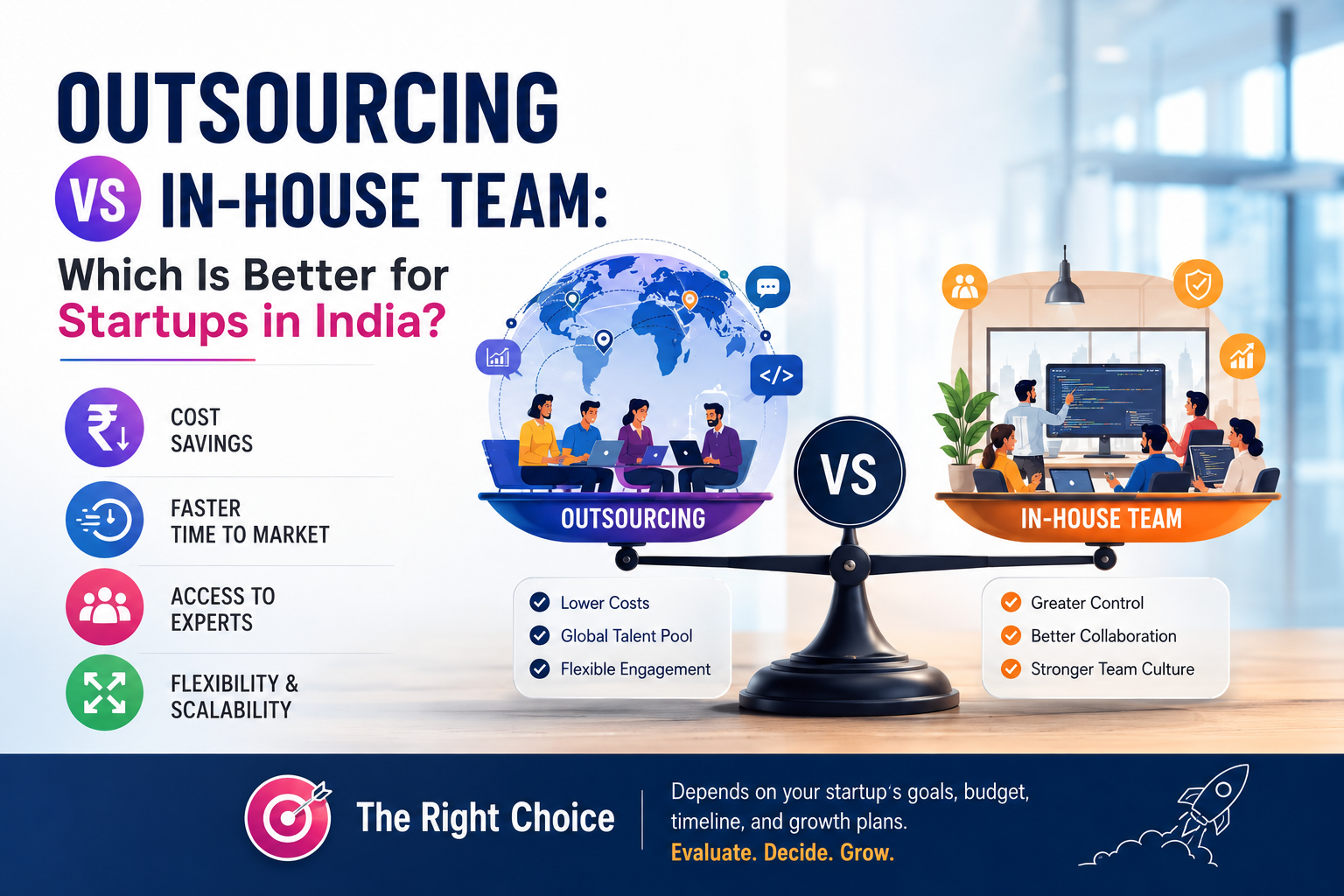
Cost Efficiency
Outsourcing no longer requires in-house staff and infrastructure. This saves costs significantly, particularly for labor-intensive operations.
Focus on Core Activities
With outside help for non-core functions, companies can focus on innovation, expansion, and customer satisfaction.
Access to Expertise
BPO vendors are experts in their fields. Consequently, businesses enjoy experienced personnel and sophisticated tools at minimal investment.
Scalability and Flexibility
BPO enables you to scale operation rapidly. When you grow or experience a seasonal surge, vendors can modify support in response.
24/7 Operations
Most BPOs provide services twenty-four-seven because of worldwide locations and time zone benefits. Customer support and IT services require this.
Improved Efficiency
BPO vendors also utilize automation, AI, and analytics to make workflows more efficient—resulting in quicker and more precise results.
Typical Industries Employing BPO
BPO is not a single-industry affair. BPO is heavily employed by industries that require heavy outsourcing such as:
Technology – Software support, QA testing
Healthcare – Medical billing, patient coordination
Finance – Bookkeeping, tax processing
Retail & E-commerce – Order management, customer service
Telecom – Technical helpdesk, account services
Challenges and How to Overcome Them
While BPO carries numerous benefits, there are challenges to be taken into account:
| Challenge | Solution |
|---|---|
| Data privacy issues | Select ISO/GDPR-certified providers |
| Communication disconnects | Utilize collaboration tools and regular check-ins |
| Cultural/language issues | Work with vendors with global operations experience |
| Vendor reliance | Retain internal expertise and backup capabilities |
The Future of BPO: Intelligent and Strategic
The BPO industry is changing rapidly. It’s not only about cost savings anymore—it’s about strategic development.
AI & Automation: Replacing mundane tasks
Cloud-based Services: Providing real-time accessibility and scalability
Analytics: Providing actionable business insights
Sustainability & ESG: Conforming to international environmental and social standards
Conclusion
BPO Business Process Outsourcing is not just outsourcing—it’s a business strategy for success in today’s world. It enables companies to remain lean, competitive, and future-proof. By learning how BPO works and why it works, organizations can make better decisions that drive long-term growth.
If you’re a startup or a large enterprise, tapping into BPO can provide the advantage you need in a globalized economy.


1 Comment
Your comment is awaiting moderation.
Very informative content! The explanation of how BPO improves efficiency, reduces costs, and allows businesses to focus on core operations is well presented. A great read for growing businesses.
Your comment is awaiting moderation.
This was a helpful read. I appreciate the practical angle you took, especially the tips that can be applied right away. Definitely bookmarking this for future reference.
Great insights here. I especially liked your point about consistency. In my experience, that’s often what makes the biggest difference over time.